
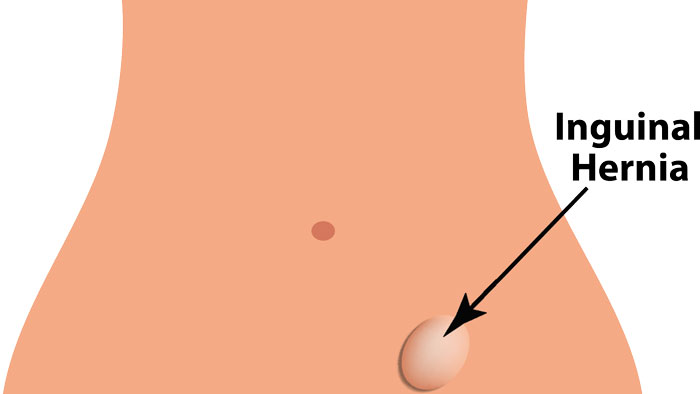
If the abdominal wall becomes weak—especially in the groin region—it can result in an inguinal hernia. This condition occurs when soft tissue, such as fat or part of the intestine, pushes through a weak area of the abdominal muscles. Although an inguinal hernia is not always immediately dangerous, it does not heal on its own. Without proper medical treatment, it may lead to serious and sometimes life-threatening complications.
Inguinal hernias are more commonly seen in men, but women can also develop them. In females, inguinal hernias often present unique diagnostic challenges and may be associated with a higher risk of complications, making early diagnosis and timely treatment especially important.
What Is an Inguinal Hernia?
An inguinal hernia is a type of abdominal wall hernia that occurs above the inguinal ligament and passes through the inguinal canal. It develops due to a weakness or defect in the abdominal wall, allowing internal tissues to protrude outward and form a visible or palpable bulge.
Several factors can increase the risk of developing an inguinal hernia, including:
-
Obesity
-
Aging
-
Chronic coughing (due to smoking or lung disease)
-
Constipation and frequent straining
-
Pregnancy
-
Heavy lifting or strenuous physical activity
In women, inguinal hernias are less common than in men, but they tend to be more serious. Additionally, women with an inguinal hernia may also have an associated femoral hernia, which is often hidden and may only be discovered during surgery. Femoral hernias carry a higher risk of strangulation, making prompt surgical management crucial.
Symptoms and Diagnosis of Female Inguinal Hernia
The symptoms of an inguinal hernia in women can vary depending on the size of the hernia and whether complications are present. Common symptoms include:
-
A noticeable bulge in the groin area, which may become more visible when standing or coughing
-
Pain or discomfort in the groin, especially during lifting, bending, coughing, or straining
-
A feeling of pressure, heaviness, or weakness in the groin
-
Burning or aching sensation at the hernia site
In some cases, women may not experience obvious symptoms. A hernia may be detected during a routine physical examination or imaging studies such as ultrasound or CT scan, especially when the hernia is small or hidden.
Treatment Options for Female Inguinal Hernia
The treatment approach depends on the size of the hernia, the severity of symptoms, and the patient’s overall health. While small and asymptomatic hernias may be monitored, most inguinal hernias in women eventually require surgery to prevent complications.
The main goal of inguinal hernia treatment is to close the hernia defect and strengthen the abdominal wall with minimal tension.
Non-Surgical Management
In selected cases, a doctor may recommend watchful waiting if the hernia is small and does not cause discomfort. This approach involves regular follow-ups to monitor for progression or complications.
A supportive truss or hernia belt may be used temporarily to reduce symptoms, but it does not cure the hernia. Improper use can even worsen the condition, so it should only be used under medical guidance.
Surgical Repair for Female Inguinal Hernia
Surgery is the definitive and most effective treatment for inguinal hernia in females, especially when symptoms are present. There are two primary surgical techniques:
1. Open Hernia Repair (Herniorrhaphy)
-
A single incision is made in the groin area
-
The protruding tissue is placed back into the abdominal cavity
-
The weakened area is repaired using sutures and often reinforced with a mesh to reduce recurrence
2. Laparoscopic Hernia Repair (Minimally Invasive Surgery)
-
Performed using small incisions, a camera, and specialized instruments
-
A mesh is placed to reinforce the abdominal wall
-
Associated with less post-operative pain, faster recovery, minimal scarring, and shorter hospital stay
The choice between open and laparoscopic surgery depends on factors such as hernia size, location, patient age, medical history, and the surgeon’s expertise.
Recovery After Female Inguinal Hernia Surgery
Recovery time varies based on the surgical method used. After open surgery, patients may require 4–6 weeks to fully recover and should avoid heavy lifting during this period. Laparoscopic surgery generally allows faster recovery, with most patients returning to normal activities within 2–3 weeks.
Following the surgeon’s post-operative instructions is essential for proper healing and reducing the risk of recurrence.
Why Prompt Treatment Is Important
Prompt surgical repair is strongly recommended for all female patients with inguinal hernias. Delaying treatment increases the risk of incarceration or strangulation, where the blood supply to the herniated tissue is cut off. In women, there is also a higher risk of ovary incarceration, which can lead to severe complications and may require emergency surgery.
Early diagnosis and timely intervention significantly reduce these risks and improve long-term outcomes.
Choosing the Right Specialist
When planning surgery for a female inguinal hernia, it is important to consult a qualified and experienced surgeon. If you are looking for a Gastro Surgeon in Jaipur, choose a reputable hospital or clinic with expertise in hernia repair and minimally invasive surgery. Experienced specialists ensure accurate diagnosis, appropriate surgical technique, and safe recovery.
Hernia Repair Surgery in Jaipur
If you are diagnosed with an inguinal hernia, opting for Hernia Repair Surgery in Jaipur at a reputed hospital can ensure safe and effective treatment. Jaipur has well-equipped medical centers and experienced surgeons who specialize in both open and laparoscopic hernia repair procedures. Advanced surgical techniques help reduce pain, shorten recovery time, and lower the risk of recurrence. Choosing the right surgeon for hernia repair surgery is crucial for achieving long-term relief and preventing complications such as incarceration or strangulation.
Final Thoughts
Inguinal hernias in females require careful evaluation and timely management to prevent serious complications. Whether treated through open surgery or minimally invasive techniques, surgical repair effectively relieves symptoms and restores quality of life. If you notice groin discomfort, swelling, or pain, seek medical advice promptly. Early treatment is the key to a safe and successful recovery.
