
In the realm of modern healthcare, imaging technology plays a pivotal role in diagnosing and managing diseases. Among these technologies, Positron Emission Tomography (PET) scans have emerged as a powerful tool. If you or a loved one is preparing for a PET scan in mumbai, understanding what it involves can ease anxiety and empower you with knowledge. This article will guide you through the ins and outs of PET scans, from what they are to how you can prepare for one.
Introducing the Power of PET Scans
A PET scan is a type of imaging test that helps doctors see how your tissues and organs are functioning. Unlike other imaging tests like X-rays or MRIs that show the structure of body parts, PET scans focus on revealing how things are working inside. They do this by using a special dye with radioactive tracers that are injected into your body. These tracers help highlight areas that have higher levels of chemical activity, often indicating disease.
The main goal of a PET scan is to detect diseases early and monitor their progression. This is particularly important in conditions like cancer, where early detection can significantly improve treatment outcomes. By providing a detailed picture of the metabolic processes in your body, PET scans can help doctors make informed decisions about your health care plan.
Walking Through the PET Scan Procedure
Before the scan, a small amount of radioactive material is introduced into your body, usually through an injection. This might sound intimidating, but the amount of radiation is very low and generally considered safe. The substance takes some time to travel through your body, so you may need to wait before the actual scan begins.
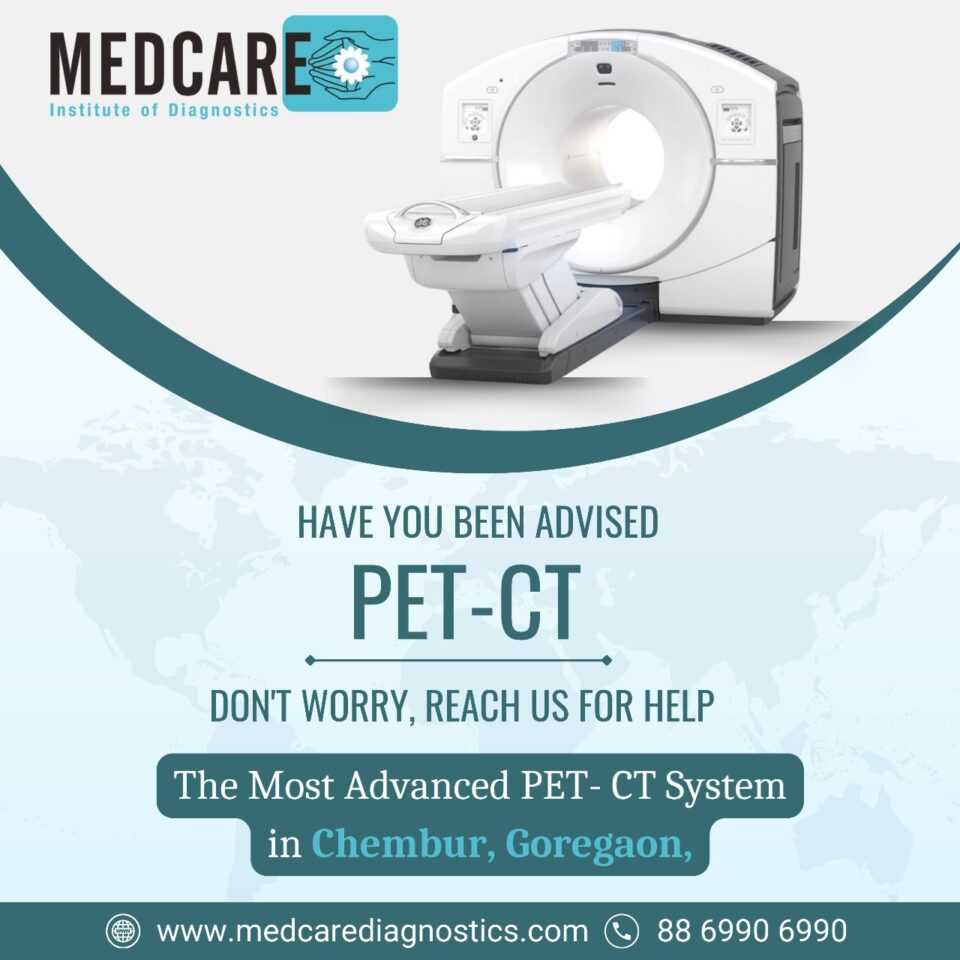
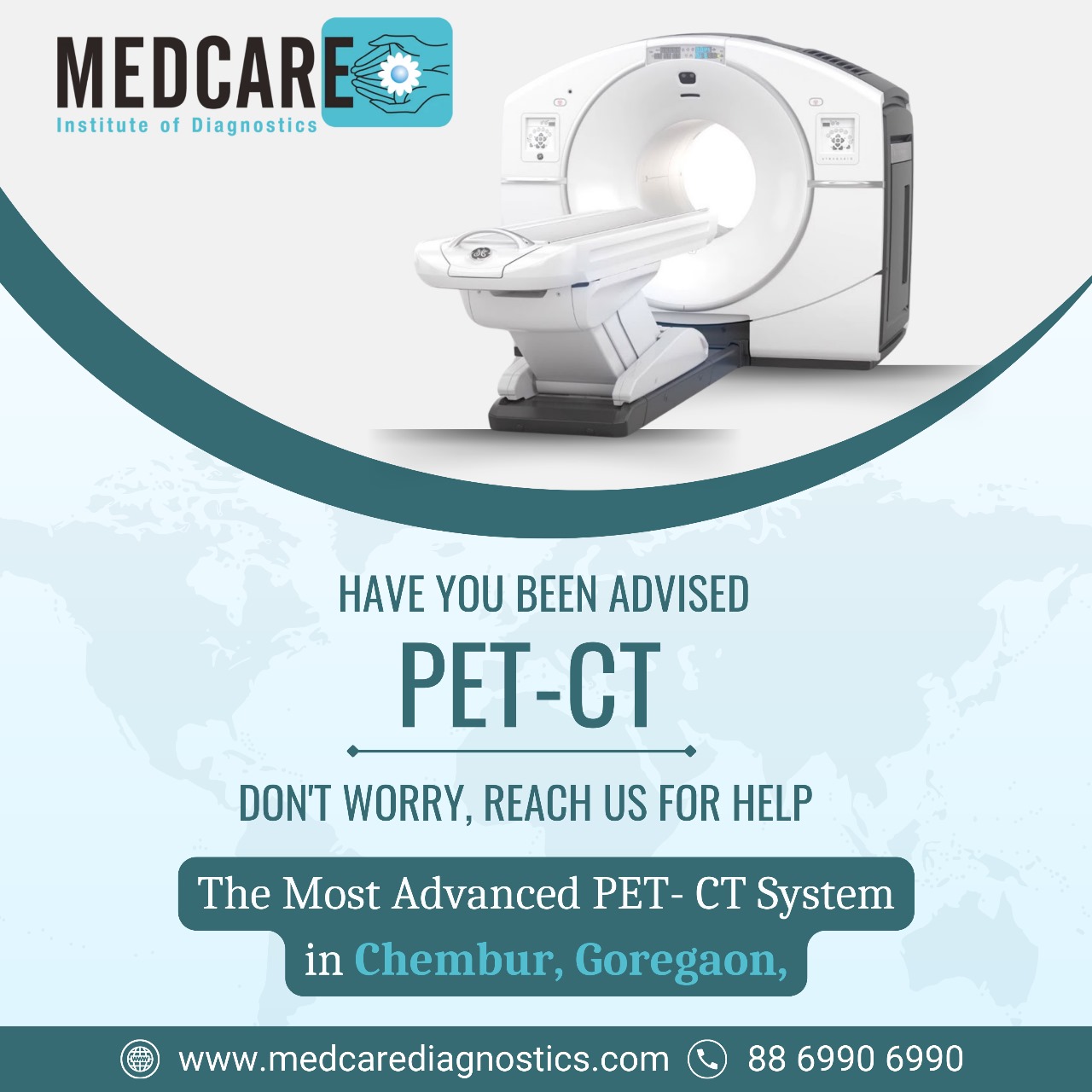
During the scan, you will lie on a flat table that slides into a large, doughnut-shaped machine. It’s essential to stay still during the procedure to ensure clear images are captured. The process is painless, though the machine may make some whirring noises as it operates. A PET scan typically takes about 30 minutes to an hour.
After the scan is complete, you can go about your day as usual. However, it’s a good idea to drink plenty of fluids to help flush the radioactive tracers from your system. Your healthcare provider will discuss the results with you at a follow-up appointment, detailing any findings and necessary next steps.
Weighing the Benefits and Risks
PET scans offer numerous benefits in the field of medicine, particularly in early disease detection. They provide invaluable insights into the body’s metabolic processes, allowing doctors to pinpoint areas of concern that might not be visible through other imaging techniques. This makes them especially useful in planning treatments for conditions such as cancer and heart disease.
However, like any medical procedure, PET scans come with certain risks. The primary concern is exposure to radiation, although the amount used in PET scans is typically low. Pregnant women or those who are breastfeeding should inform their doctor, as the radiation could pose a slight risk to the baby.
The limitations of PET scans include their inability to always distinguish between cancerous and non-cancerous abnormalities, meaning further testing might be necessary. Despite these risks and limitations, the advantages of PET scans in diagnosing and managing health conditions often outweigh the potential downsides.
Exploring Common Uses of PET Scans
PET scans have become a valuable resource in diagnosing a variety of medical conditions. One of the most common uses is in cancer detection and monitoring. By identifying areas of high metabolic activity, PET scans can reveal cancerous growths and determine how far the disease has spread.
In cardiology, PET scans assess the flow of blood to the heart muscles, helping to identify areas of reduced blood flow that might indicate coronary artery disease. Neurologists also use PET scans to evaluate brain disorders. They can detect changes in the brain linked to seizures, Alzheimer’s disease, and other neurological disorders.
Each of these applications highlights how PET scans provide crucial information that contributes to better diagnosis and treatment planning. By understanding how different diseases affect the body, doctors can tailor treatments to individual patients’ needs.
Preparing for Your PET Scan
Getting ready for a PET scan involves several important steps to ensure accurate results. First, your doctor will give you specific dietary instructions, often advising you to avoid eating or drinking for several hours before the procedure. It’s also crucial to inform your healthcare provider about any medications you’re taking, as some drugs might interfere with the test.
Patients who are diabetic will receive special instructions, as blood sugar levels can affect test results. Wear comfortable clothing and avoid jewelry or metal objects that could interfere with the scan. If you have a fear of enclosed spaces, notify the staff beforehand, as they can offer support or medication to help you relax.
By following these preparation guidelines, you can help ensure a smooth and successful PET scan experience. Being well-prepared and informed can significantly ease any apprehensions you might have.
Addressing Common Concerns About PET Scans
Understandably, you might have questions or concerns about undergoing a PET scan. Many patients wonder about the safety of the procedure due to the use of radioactive materials. Rest assured, the levels used are small and carefully regulated to minimize risk.
Cost is another common concern. While PET CT scan in Mumbai can be expensive, many insurance plans cover them when deemed medically necessary. It’s always a good idea to check with your insurance provider beforehand to understand your coverage.
The duration of the procedure is another frequent query. While the scan itself takes approximately 30 to 60 minutes, the entire appointment may last a few hours, including preparation and wait times for the tracers to distribute throughout your body.
Wrapping Up Your PET Scan Knowledge
PET scans stand at the forefront of advancements in medical imaging, offering a window into the body’s internal functions. For patients, understanding what a PET scan entails can alleviate anxiety and empower you to make informed decisions about your health care. By highlighting its role in early detection and treatment planning, PET scans underscore their importance in modern medicine.
If you’re considering a PET scan or have been advised to undergo one, consult with your healthcare provider to discuss your options. They can provide personalized insights into how the procedure might benefit your specific health needs.
Join the Discussion and Share Your Experience
If you’ve undergone a PET scan or are preparing for one, we’d love to hear your story. Share your experiences and insights with our community, and let’s learn from each other. For further questions or to schedule a PET scan, reach out to your best diagnostics center in Mumbai. Your health is the most important thing, and being proactive is the key to maintaining it.
