
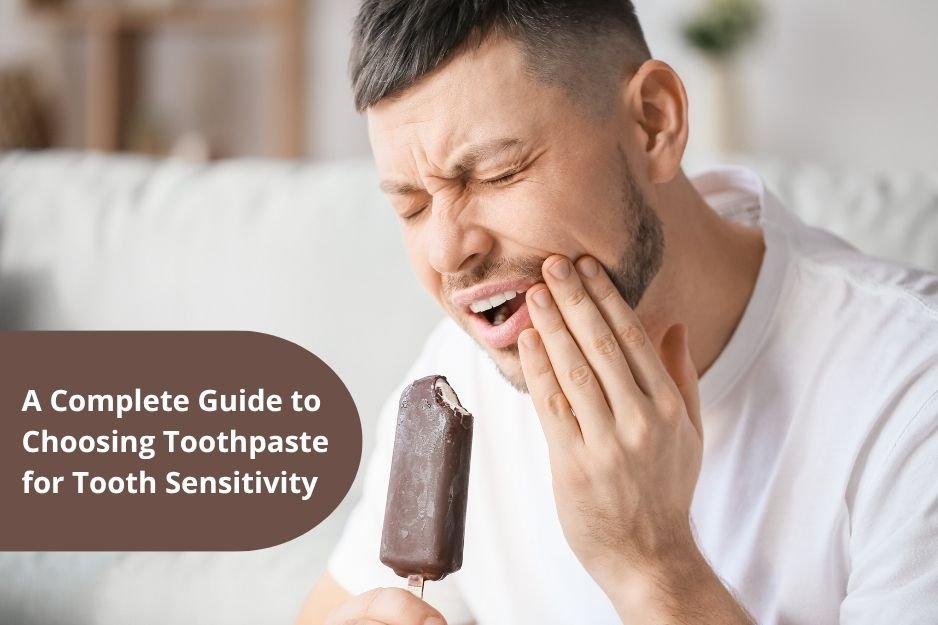
Tooth sensitivity can turn simple everyday activities—drinking a cold beverage, enjoying hot tea, eating something sweet, or even brushing your teeth—into an uncomfortable experience. If you regularly experience a sudden sharp sensation in your teeth, choosing the right toothpaste can be an important part of your daily oral-care routine.
For people looking for toothpaste for sensitive teeth, there are products specifically formulated to help manage sensitivity while supporting regular dental hygiene. Desensitizing toothpastes contain ingredients designed to reduce the transmission of sensations from exposed dentin toward the tooth nerve.
One option consumers can explore is DENTIORA Sensitive Toothpaste, which is available online through major marketplaces including Amazon and Flipkart. However, choosing a toothpaste should not be based on the brand name alone. Understanding why sensitivity happens, which ingredients to look for, and how to use sensitivity toothpaste correctly can help you make a more informed decision.
What Is Tooth Sensitivity?
Tooth sensitivity, also called dentin hypersensitivity, usually occurs when the protective enamel or gum tissue no longer adequately covers the underlying dentin.
Dentin contains microscopic channels called dentinal tubules. When these tubules become exposed, external triggers such as cold, heat, sweet foods, acidic foods, or touch can stimulate the nerves inside the tooth and cause a short, sharp sensation.
Sensitivity can affect one tooth, several teeth, or a larger area of the mouth. The experience can vary from person to person depending on the underlying cause.
Common triggers include:
- Cold water, ice cream, and chilled beverages
- Hot tea, coffee, and other hot foods
- Sweet or acidic foods
- Brushing or flossing
- Touching exposed areas of teeth
- Certain dental treatments
While occasional sensitivity may be manageable with appropriate oral care, persistent or severe sensitivity should not simply be ignored.
What Causes Sensitive Teeth?
There is no single cause of tooth sensitivity. Several dental and lifestyle factors can contribute to the problem.
Enamel Wear
Enamel is the hard outer layer that protects the crown of your tooth. Excessive brushing, acidic foods and beverages, and enamel erosion can gradually reduce this protective layer.
When dentin becomes exposed, sensitivity may develop.
Gum Recession
Gum tissue normally helps protect the roots of teeth. When gums recede, areas of the tooth root can become exposed. Because root surfaces do not have the same enamel protection as the crown, they can become more sensitive.
Brushing Too Hard
Brushing harder does not necessarily mean brushing better. Using excessive pressure or a hard-bristled toothbrush may contribute to enamel wear and gum recession over time.
A gentle brushing technique with an appropriate toothbrush is generally a better approach for maintaining oral hygiene while minimizing unnecessary irritation.
Acidic Foods and Drinks
Frequent consumption of acidic foods and beverages can contribute to enamel erosion. Citrus fruits, carbonated drinks, certain juices, and other acidic foods may be problematic when consumed frequently.
The Indian Dental Association also identifies acidic foods, hard brushing, gum recession, and enamel-related factors among possible contributors to tooth sensitivity.
Teeth Grinding
Grinding or clenching your teeth can put excessive pressure on the tooth structure and contribute to enamel wear. If you grind your teeth, particularly during sleep, discuss the issue with a dental professional.
Dental Problems
Sensitivity isn’t always simply a sensitivity problem. Cavities, fractured teeth, worn fillings, gum disease, and exposed tooth roots can also cause sensitivity-like symptoms.
This is why persistent, severe, or unusual tooth pain deserves professional evaluation.
Why Use Toothpaste for Sensitive Teeth?
Regular toothpaste is primarily used to clean teeth, remove plaque, and support oral hygiene. Depending on its formulation, toothpaste may also provide benefits such as cavity protection, enamel support, whitening, or sensitivity management.
Toothpaste for sensitive teeth contains desensitizing ingredients intended to help reduce sensitivity. The American Dental Association explains that desensitizing toothpaste can contain compounds that help reduce tooth sensitivity.
Research has also evaluated several desensitizing ingredients, including potassium-based compounds, stannous fluoride, arginine, calcium sodium phosphosilicate, and others. A systematic review found evidence supporting the sensitivity-relieving effects of several active ingredients, although the strength of evidence varies by ingredient and formulation.
The key is consistent use rather than expecting every sensitivity toothpaste to work after a single brushing.
What Ingredients Should You Look For?
When choosing toothpaste for sensitive teeth, checking the ingredient information is useful.
Potassium-Based Ingredients
Potassium compounds, such as potassium nitrate, are commonly used in sensitivity toothpastes. They are intended to reduce the response of the tooth’s nerve to external stimuli.
The ADA notes that potassium nitrate-containing toothpastes may help block sensory stimuli associated with exposed dentinal tubules.
Stannous Fluoride
Stannous fluoride can provide multiple oral-care benefits, including cavity protection and sensitivity management in appropriate formulations. The ADA recognizes stannous fluoride among active toothpaste ingredients used for oral health benefits.
Other Desensitizing Ingredients
Depending on the product, sensitivity toothpaste may contain ingredients such as arginine, calcium sodium phosphosilicate, or other compounds designed to reduce sensitivity by interacting with exposed dentin.
Because formulations differ, consumers should always check the product label rather than assuming that every sensitivity toothpaste contains the same ingredients.
How to Choose the Right Toothpaste for Sensitive Teeth
With so many oral-care products available, selecting the right toothpaste can feel confusing. Consider the following factors before purchasing.
1. Identify Your Main Concern
First, determine why you are looking for a new toothpaste.
If sensitivity is your primary concern, choose a toothpaste specifically formulated for sensitive teeth rather than selecting a product solely for whitening or cosmetic benefits.
2. Check the Active Ingredients
Read the packaging carefully. Look for ingredients specifically intended to manage sensitivity and consider whether the toothpaste also provides cavity protection appropriate for your needs.
Fluoride is widely used in toothpaste to help strengthen enamel and prevent tooth decay.
3. Consider Your Brushing Habits
Even a well-formulated toothpaste cannot compensate for overly aggressive brushing.
Use a soft-bristled toothbrush and gentle pressure. Hold the brush at an appropriate angle and use controlled movements rather than scrubbing forcefully. The ADA recommends gentle brushing techniques for people dealing with sensitivity.
4. Avoid Choosing Only on Whitening Claims
Some people with sensitive teeth may be tempted to choose a strong whitening toothpaste. However, if sensitivity is already a concern, your priority should be maintaining comfort and protecting your teeth.
Discuss whitening options with your dentist if you experience significant sensitivity.
5. Check Product Information
Before buying any toothpaste, check its ingredients, directions for use, manufacturer information, and suitability for your oral-care requirements.
Purchasing from established online marketplaces can also make it easier to review product information and customer feedback.
DENTIORA Sensitive Toothpaste for Sensitive Teeth
For consumers searching for toothpaste for sensitive teeth, DENTIORA Sensitive Toothpaste is one product option available online.
DENTIORA Sensitive Toothpaste (Pack of 6) can be explored through major e-commerce platforms such as Amazon and Flipkart, making it convenient for consumers who prefer online shopping.
When selecting DENTIORA or any other sensitivity toothpaste, consumers should read the product packaging and follow the manufacturer’s directions carefully. Product formulations and usage recommendations can change, so the latest information on the product listing should always be checked before purchase.
For those who experience occasional sensitivity triggered by cold, hot, sweet, or other common stimuli, incorporating a sensitivity-focused toothpaste into a consistent oral-care routine may be worth considering.
How to Use Sensitive Toothpaste Correctly
Using the right toothpaste is only part of the process. How you brush also matters.
A basic routine includes:
- Brush your teeth twice daily unless your dentist recommends otherwise.
- Use a soft-bristled toothbrush.
- Apply an appropriate amount of toothpaste according to the product directions.
- Brush gently rather than applying excessive pressure.
- Clean all tooth surfaces systematically.
- Clean between your teeth regularly using floss or another appropriate interdental cleaner.
- Follow the specific instructions provided with your toothpaste.
The Indian Dental Association notes that sensitivity toothpastes are generally used twice daily and may require several days to several weeks before noticeable effects occur.
Consistency is therefore important.
Can Sensitive Toothpaste Provide Instant Relief?
The word “instant” can be appealing when dealing with tooth sensitivity, but expectations should be realistic.
Some sensitivity products are designed to provide relief quickly, while their longer-term benefit may depend on repeated use. The ADA explains that desensitizing toothpaste usually requires multiple applications before sensitivity is reduced.
Therefore, rather than judging a toothpaste after one brushing, follow the manufacturer’s directions consistently and monitor how your symptoms change.
If sensitivity continues or becomes worse, speak with a dentist.
Toothpaste Alone May Not Solve Every Sensitivity Problem
One of the most important things to understand about sensitive teeth is that toothpaste addresses symptoms but may not correct every underlying cause.
For example, sensitivity caused by a cavity, cracked tooth, worn filling, gum disease, or another dental problem may require professional treatment. The ADA lists several such conditions among potential causes of sensitive teeth.
See a dental professional if you experience:
- Severe or persistent tooth pain
- Sensitivity affecting only one tooth
- Pain while biting or chewing
- A chipped or fractured tooth
- Swollen or bleeding gums
- Visible cavities
- Sensitivity that continues despite appropriate oral care
- Pain that occurs without an obvious trigger
A dentist can determine whether the problem is ordinary dentin sensitivity or a sign of another dental condition.
Everyday Tips for Managing Sensitive Teeth
Choosing a good toothpaste for sensitive teeth is helpful, but your overall oral-care habits are equally important.
Use a Soft-Bristled Toothbrush
A soft toothbrush can help clean the teeth without unnecessary pressure on enamel and gums.
Reduce Excessive Acid Exposure
Try to avoid frequent consumption of highly acidic foods and drinks. When consuming acidic beverages, using a straw may reduce direct contact with teeth.
Don’t Brush Too Hard
Gentle brushing is more appropriate than aggressive scrubbing. Excessive force can contribute to enamel wear and gum recession.
Maintain Regular Dental Visits
Professional dental examinations can identify cavities, gum problems, cracks, enamel wear, or other conditions that may contribute to sensitivity.
Be Careful With Whitening Products
Some whitening treatments can increase sensitivity. If you already experience sensitive teeth, speak with your dentist before starting an intensive whitening routine.
Why the Right Toothpaste Matters
Toothpaste is used every day, which makes product selection an important part of an oral-care routine. For someone with sensitive teeth, choosing a toothpaste designed specifically for sensitivity can provide an additional approach to managing daily discomfort.
The American Dental Association identifies dentinal hypersensitivity as a specific toothpaste category and notes that desensitizing toothpastes can help reduce sensitivity.
However, no single toothpaste is necessarily ideal for everyone. Your individual dental condition, sensitivity triggers, existing oral-health problems, and ingredient preferences should all be considered.
Final Thoughts
Tooth sensitivity can affect eating, drinking, brushing, and everyday comfort, but it doesn’t have to be ignored. Understanding the causes of sensitivity and choosing an appropriate toothpaste for sensitive teeth can be an important part of maintaining a consistent oral-care routine.
When selecting a sensitivity toothpaste, look beyond marketing claims. Check the active ingredients, consider cavity protection, follow the manufacturer’s directions, use a soft-bristled toothbrush, and avoid aggressive brushing.
For consumers looking for a convenient online option, DENTIORA Sensitive Toothpaste is available through Amazon and Flipkart. Before purchasing, review the current product information and directions on the respective marketplace listing.
Most importantly, remember that persistent or severe sensitivity may indicate an underlying dental issue. A sensitivity toothpaste can be part of everyday oral care, but professional dental advice is essential when symptoms don’t improve or are accompanied by other warning signs.
Frequently Asked Questions
1. What is the best toothpaste for sensitive teeth?
The best choice depends on the individual’s needs and the toothpaste formulation. Look for a product specifically designed for sensitivity and check its active ingredients and directions for use.
2. How often should I use toothpaste for sensitive teeth?
Many sensitivity toothpastes are intended for twice-daily brushing, but always follow the specific instructions provided on the product packaging.
3. Can sensitive toothpaste stop tooth sensitivity permanently?
Sensitive toothpaste can help manage sensitivity, but it may not correct underlying problems such as cavities, cracks, gum disease, or severe enamel loss. Persistent symptoms should be evaluated by a dentist.
4. Is fluoride important in toothpaste?
Fluoride is an important ingredient for cavity prevention and helps strengthen tooth enamel. Check the product label to understand the formulation of the toothpaste you choose.
5. Where can I buy DENTIORA Sensitive Toothpaste?
DENTIORA Sensitive Toothpaste is available online through marketplaces including Amazon and Flipkart. Check the current marketplace listings for product availability, pricing, pack sizes, and usage information.
6. How long does sensitive toothpaste take to work?
The timeframe varies depending on the product and individual. Sensitivity toothpastes generally require consistent use rather than a single application, and some may take days or weeks to provide noticeable improvement.
7. When should I visit a dentist for sensitive teeth?
If sensitivity is severe, persistent, occurs in one particular tooth, or is accompanied by swelling, pain while biting, visible damage, or other unusual symptoms, consult a dentist rather than relying only on toothpaste.
